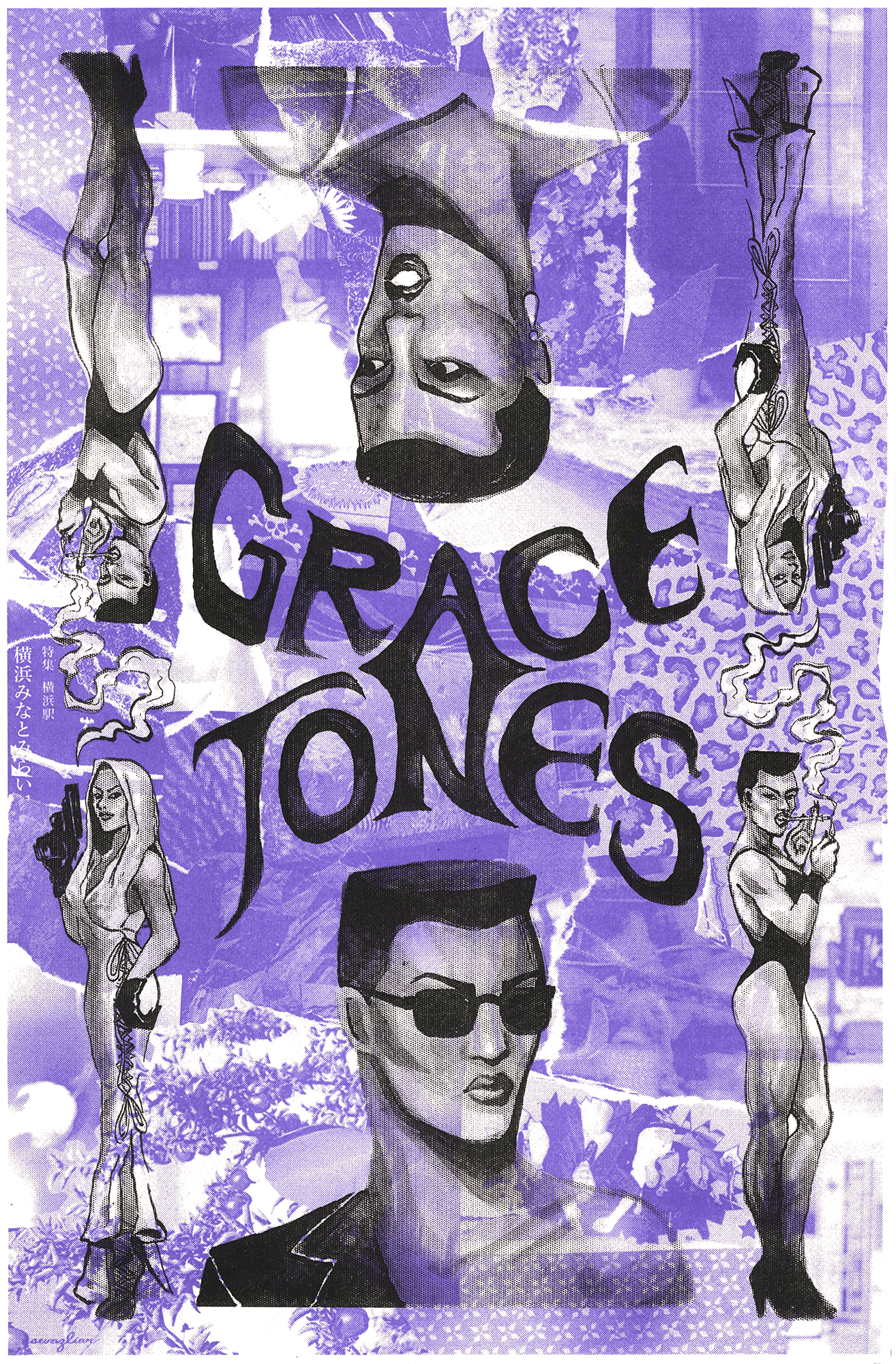
Grace Jones, known for her striking androgynous appearance, straddling a line between
femininity and masculinity. Playing with duality both conceptually and visually, this poster
shows two sides of her, as well as a couple of her most iconic outfits.
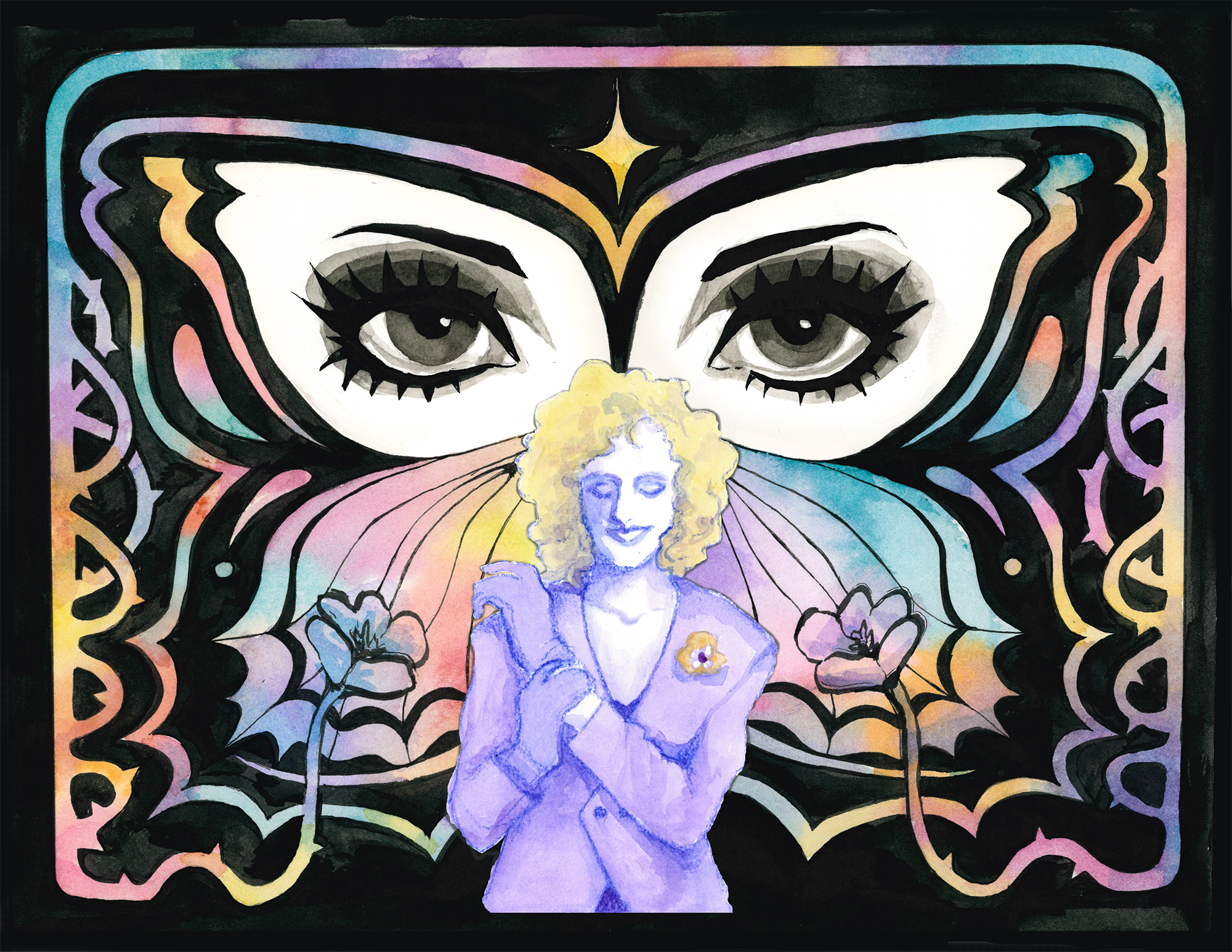
Dusty Springfield was a popular singer in the 1960s, but her career took a nosedive after
coming out. Neil Tennant and Chris Lowe, of the Pet Shop Boys, asked her to collaborate on
their 1987 song “What Have I Done to Deserve This?” and it became her biggest hit since
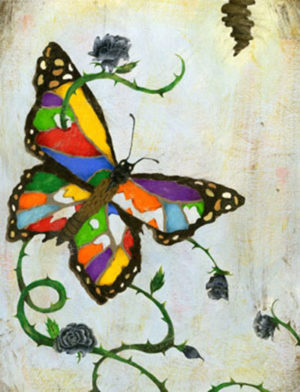
1966. This watercolour and ink illustration shows her iconic 1960s sooty mascara eyes in
black and white, with the symbol of butterfly representing rebirth, and her ‘modern’ 80s
image in colour.
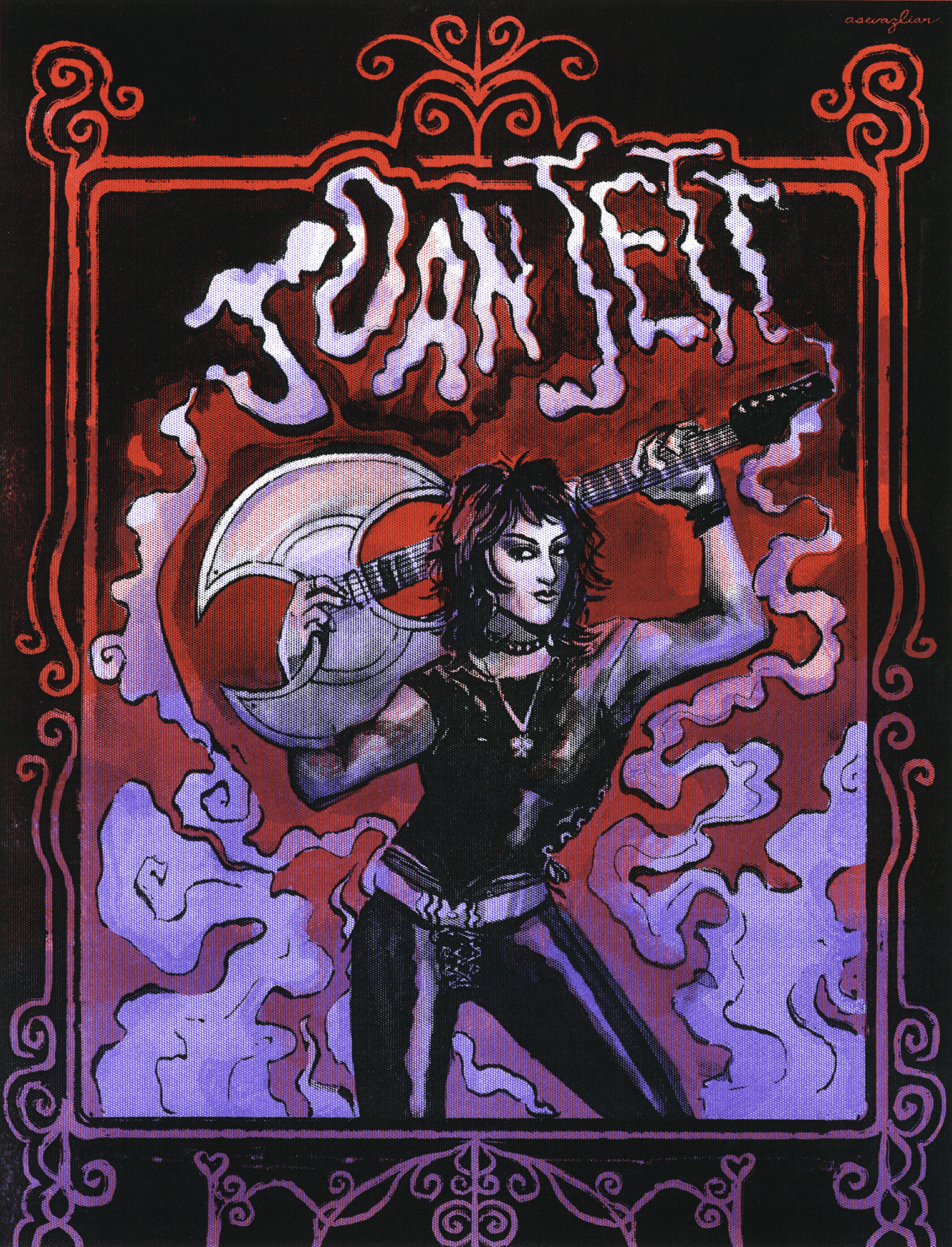
Poster of Joan Jett: Combining the symbol of labyrs, a Minoan female goddess symbol
turned feminist/lesbian symbol, with Joan Jett’s guitar. Emphasizes her as a powerful
female figure in rock and roll, her subtle queerness. Inspired by her labrys tattoo and
necklace.
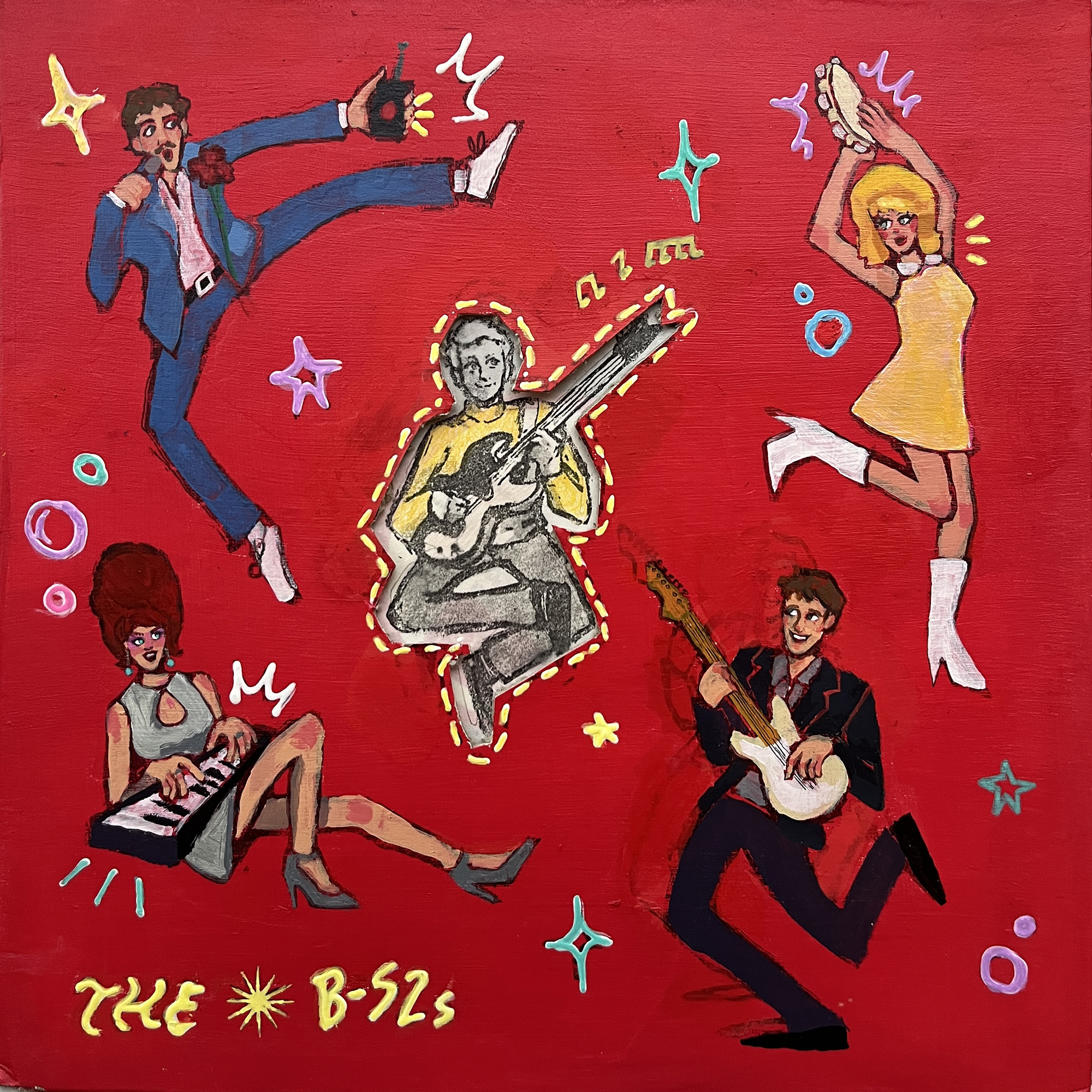
The B-52s: An almost entirely queer band, kooky and absurd, queer in more ways that just
sexuality. The piece highlights not only the fun of their music and performance, but also a
missing band member – Ricky Wilson, who died of AIDS-related illness in 1985 (before the
disease had a proper medical name). Made from an old vinyl, the front is painted and cut
into to reveal Ricky marker transferred underneath, onto the delicate paper sleeve which is
easily damaged. The band continued after a grieving period to make their most popular
song but will always be affected by the loss of an essential member, who wrote much of
their music and was the brother of another member (Cindy Wilson, depicted in yellow).
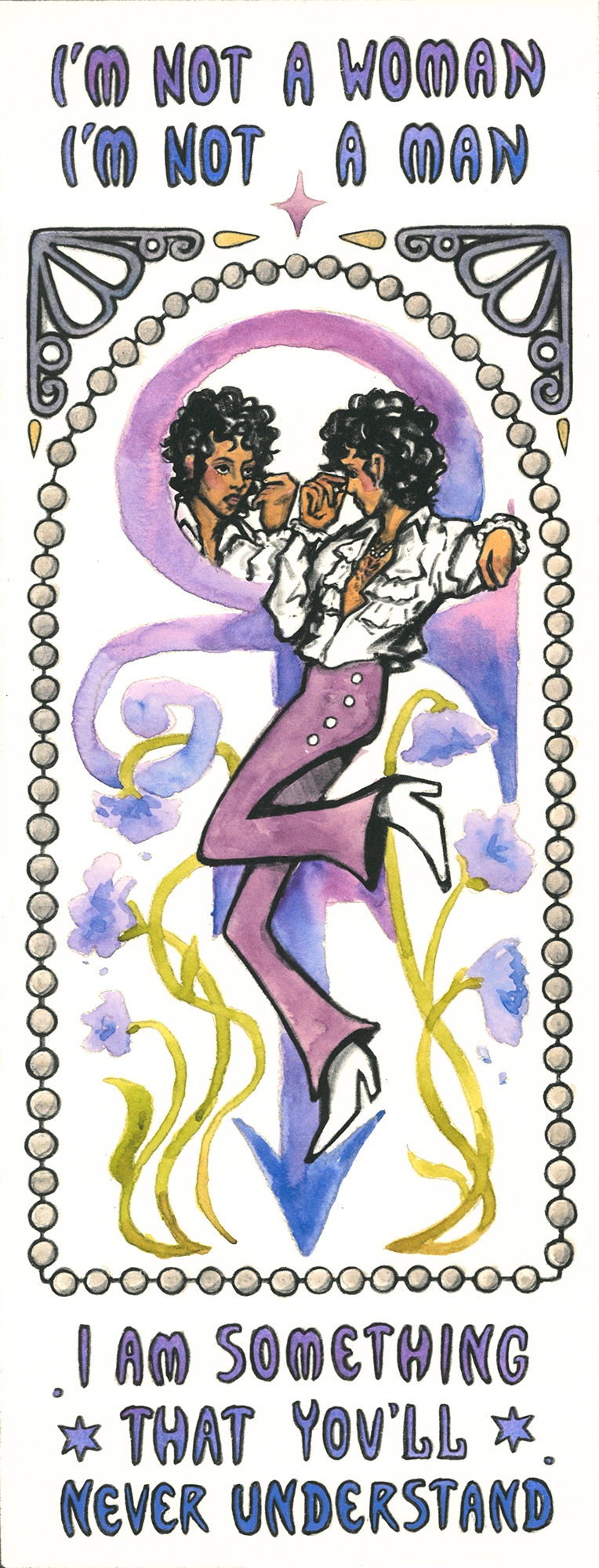
Poster of Prince, highlighting his non-conformity to gender expression – wearing heels,
makeup, blouses, pearls, and more, both on stage and in his real life. This illustration
portrays him applying his makeup in the mirror and includes fitting lyrics from his 1984
song “I Would Die 4 U”. Uses his “love symbol” (the artist formerly known as), a
combination of the male and female symbols, as well as art nouveau style flowers and
pearls.
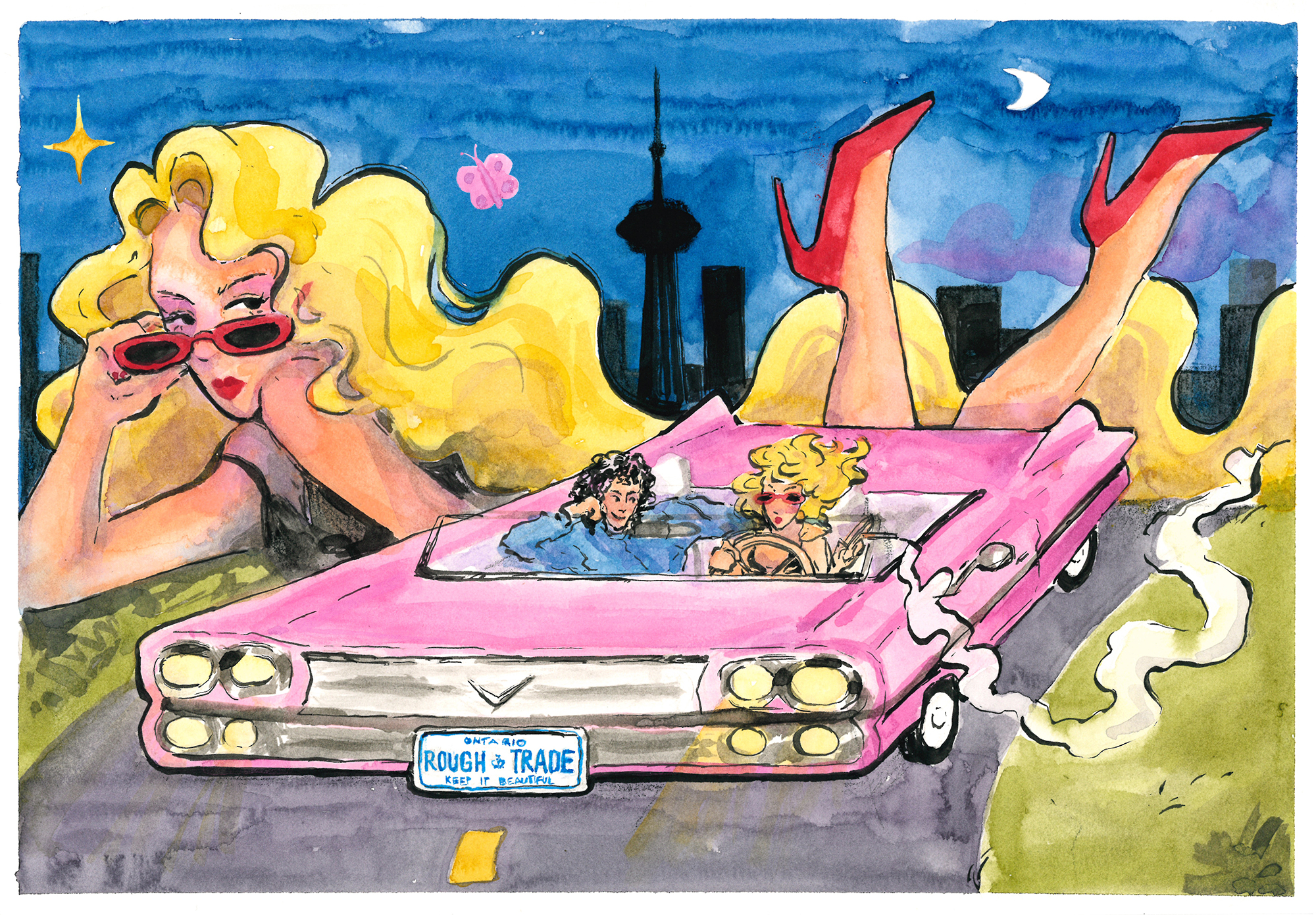
High School Confidential Poster: Rough Trade is a Torontonian band from the 1970-80s,
known for their provocative lyrics. Their 1981 song “High School Confidential” was one of
the most sexually explicit songs to reach Canadian pop charts. While written from lead
singer Carole Pope’s perspective as a lesbian, the lyrics remained ambiguous enough that
many did not recognize the song’s inherent queerness. The song describes a blonde,
stiletto-wearing, candy pink Cadillac driving classmate who the narrator is lusting after.
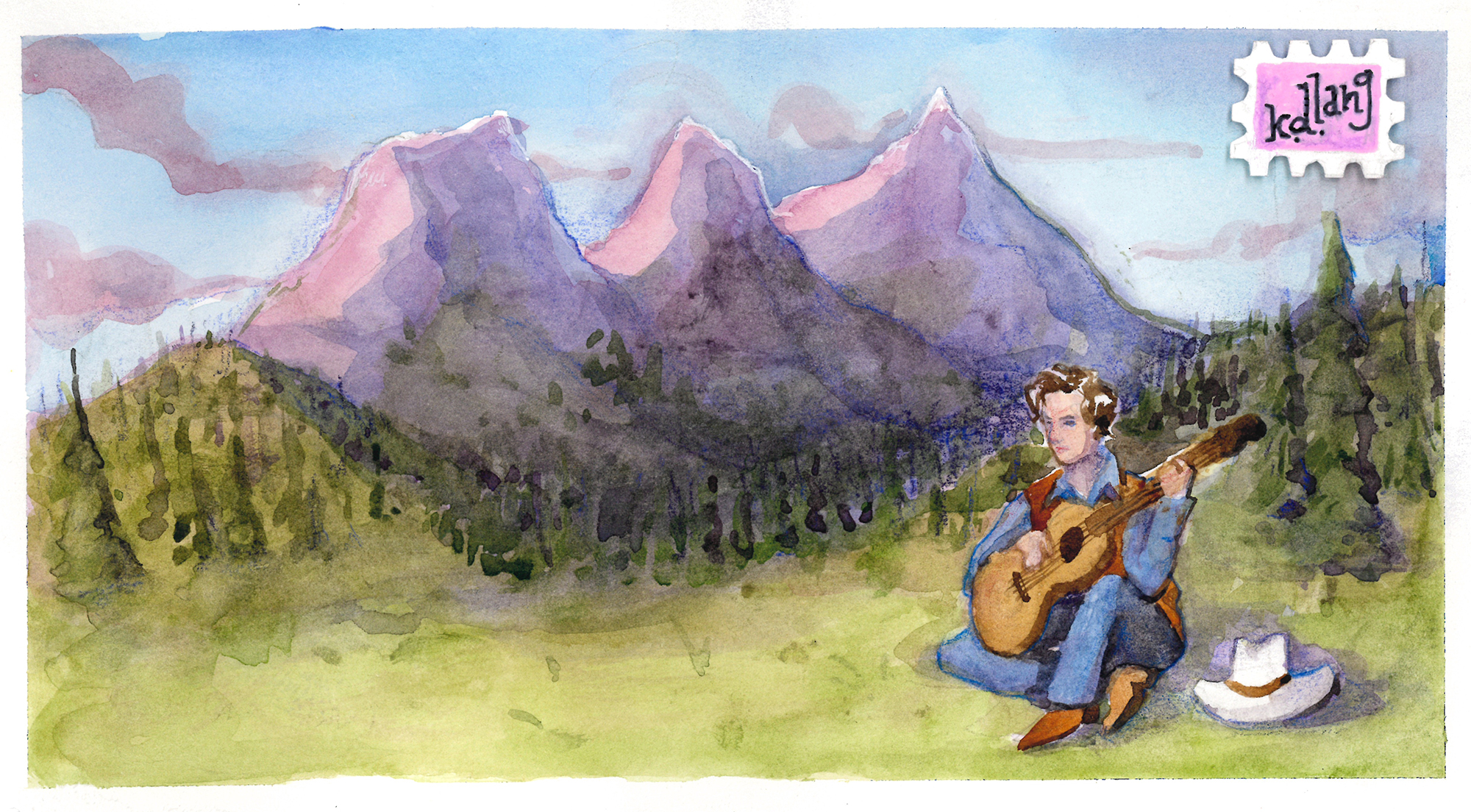
Postcard of k.d. lang, highlighting her being an openly butch lesbian creating country
music, an overwhelmingly straight and normative genre. The piece also highlights her
upbringing in Alberta, showing ‘The Three Sisters’ mountains behind her, also the same
mountains filmed in famous queer movie ‘Brokeback Mountain’.
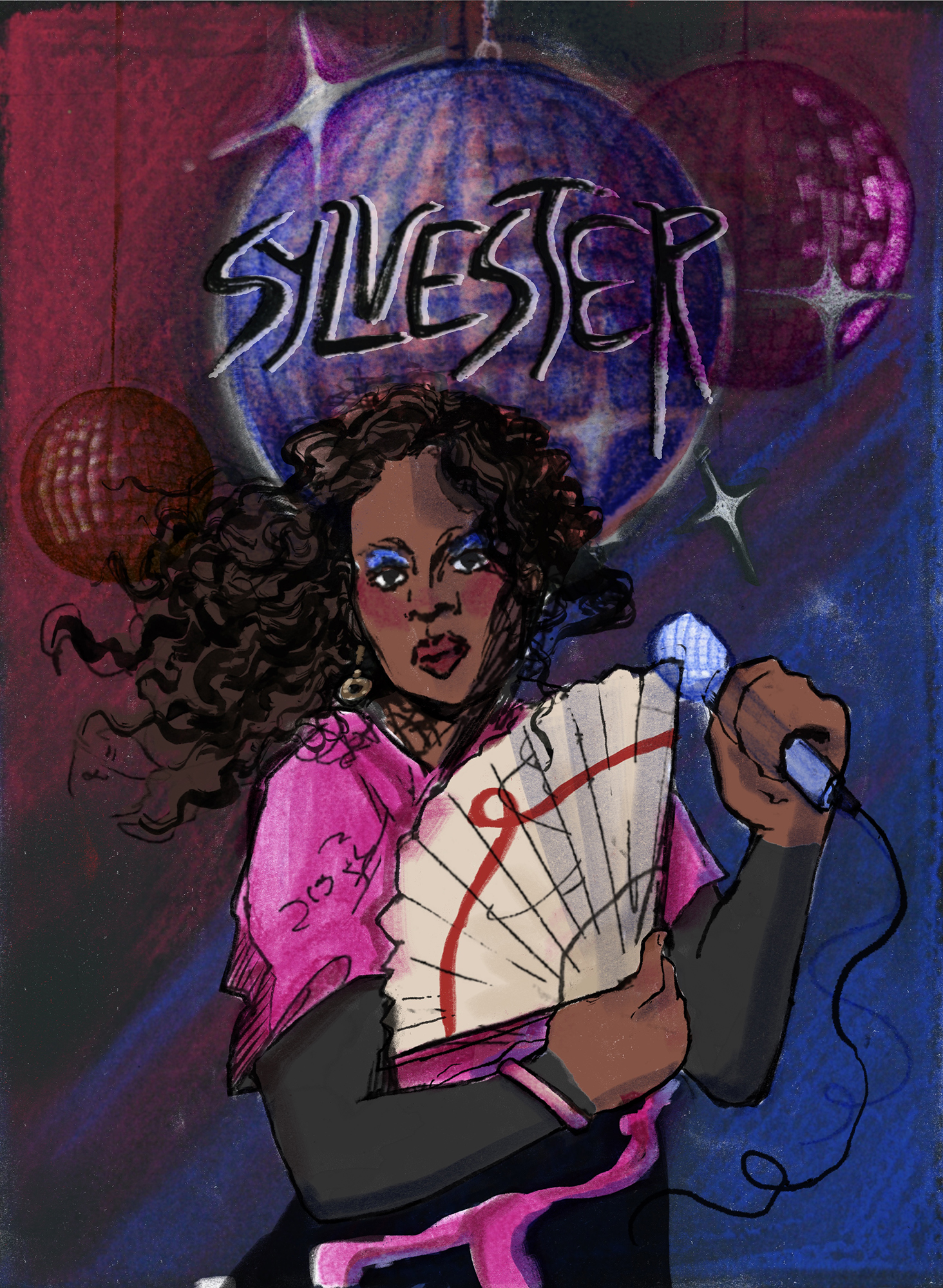
Poster of Sylvester, called the “Queen of Disco”, who lived as a genderqueer man before
and through the 1970 and 80s eras of disco. Holding a fan, an iconic symbol of queer
communities. He went public with his AIDS diagnosis in 1988 to spread awareness and
passed away due to AIDS related complications the same year, leaving all his future music
royalties to two charities for people with AIDS.
Queer Rock Nouveau
“Queer Rock Nouveau” depicts influential musicians, who embodied notions of queerness or broke gender boundaries of their time, in posters merged with symbols representing their non-conformity to explore and celebrate their contributions.